 GMA
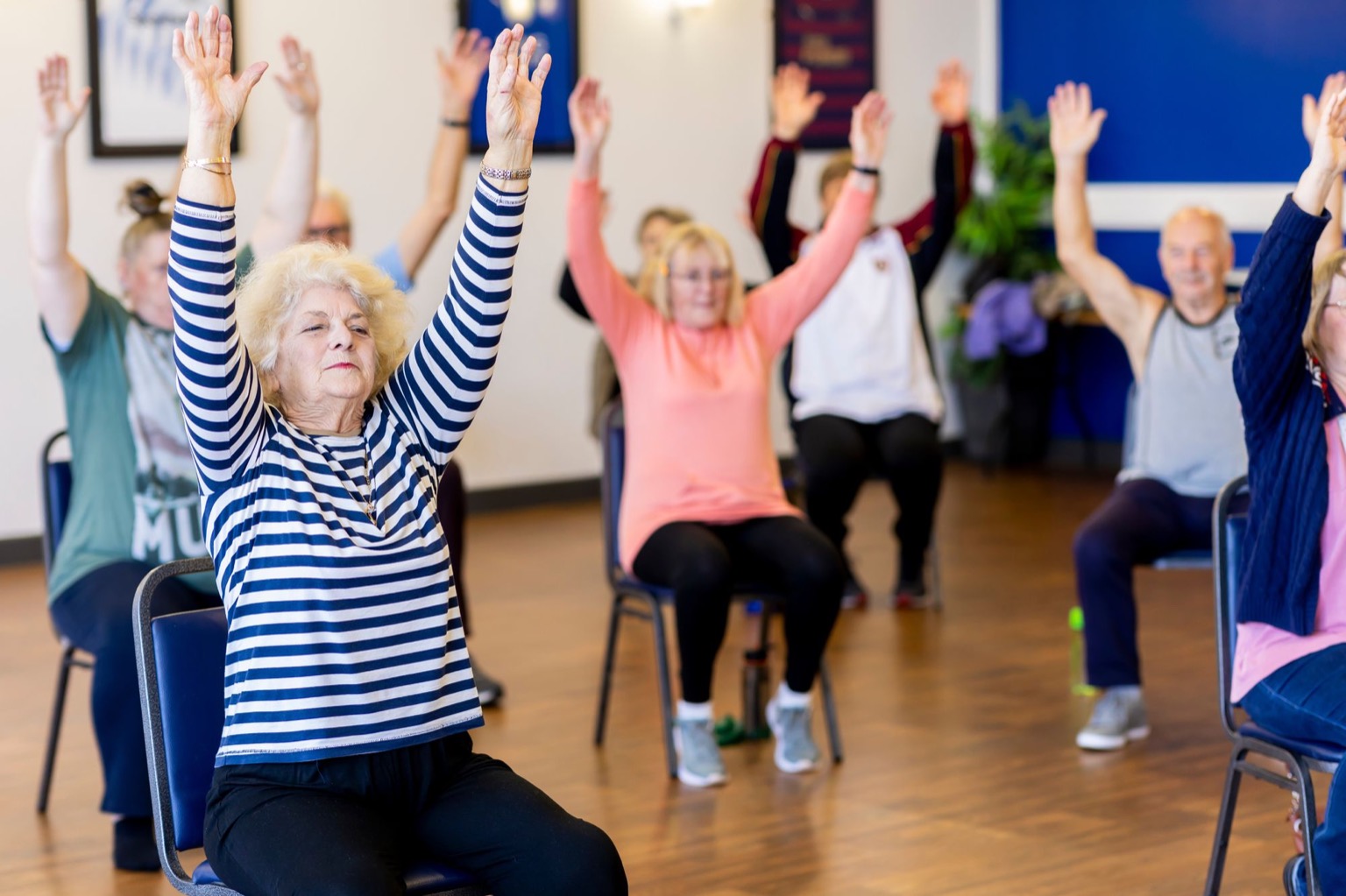
Among middle-aged and older adults undergoing resistance training, the pooled estimate for sit-to-stand performance favoured creatine over placebo.
Why use an everyday movement?
Lean mass and the ability to get out of a chair measure different aspects of muscle ageing. The 16 November review focuses on the latter. It includes eight randomised trials in middle-aged and older adults, five of which contribute to the sit-to-stand estimate. Both groups undertook resistance training in the included comparisons.
Reading the interval
The pooled standardised mean difference, corrected for sample size using Hedges’ g, was 0.501 (95% CI 0.093–0.909). Zero represents no average difference between groups. Estimates to its right favour creatine plus training. Standardisation allows comparable measures to be pooled and leaves the effect in standardised units rather than repetitions or seconds.
META-ANALYSIS · FUNCTIONAL OUTCOME
Read the estimate and its interval
- Pooled estimate
- 0.501
- 95% confidence interval
- 0.093–0.909
- Pooled studies
- 5
Which comparison produced the estimate?
Creatine plus resistance training compared with placebo plus the same type of training. Results are expressed in standardised units.
How many studies contribute?
8 trials in the review, 5 in the chair-rise analysis. I² = 23.3%.
What do we know about walking and falls?
The article describes heterogeneous or sparsely studied outcomes. The chart summarises sit-to-stand only.
| Outcome | g | 95% |
|---|---|---|
| Chair-rise test | 0.501 | 0.093–0.909 |
Where the estimate stops
The review reports I² of 23.3%. This describes between-study heterogeneity and should be interpreted alongside the number of trials and the width of the interval. The authors describe limited and inconsistent evidence for walking, mobility, balance, falls and other tasks. The chair-rise result cannot resolve those outcomes.
What to ask of the next trial
When appraising a new trial, check which functional test was primary, the units in which it was reported and the population for which a change is interpretable. A trial designed to inform a formulation for people engaged in training would keep the exercise programme consistent and report the result in its original units as well.
The test measures an everyday movement. It helps distinguish a functional outcome from changes in lean mass.
This analysis uses the publisher’s abstract. Five trials contribute to the standardised estimate, with resistance training in both groups.
Editorial note. This content is intended for industry professionals. It does not constitute medical advice, therapeutic guidance or regulatory advice. Read our editorial method.
Read the original source · Frontiers in Nutrition