 GMA
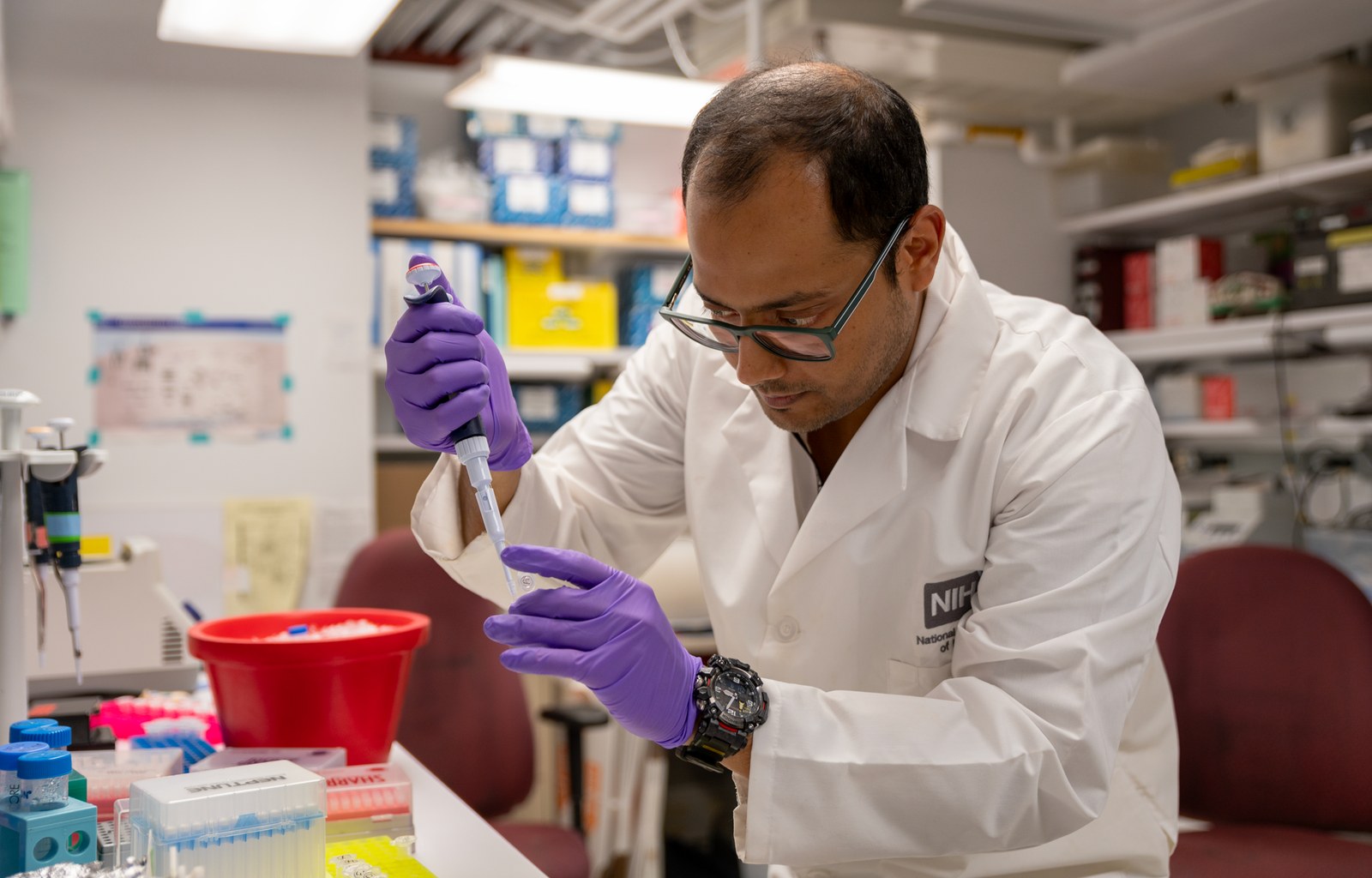
Four weeks of urolithin A did not significantly improve peripheral endothelial function compared with placebo. A signal emerged in cerebral haemodynamic responses, without an improvement in cognitive performance.
An ingredient can have a promising scientific history and still encounter a question it cannot yet answer. For urolithin A, the study published on 9 October in JAMA Network Open addresses precisely such a question: can it improve peripheral blood-vessel function in adults with obesity? Under the conditions tested, the findings do not confirm that hypothesis.
The trial assigned 50 people aged 40–64 to 1,000 mg daily or placebo for four weeks. For flow-mediated dilation, the primary outcome, the adjusted estimate was +1.74 percentage points, with a 95% confidence interval from −1.33 to +4.81. The interval includes zero: the comparison does not reach statistical significance. That does not establish a definitive absence of effect. It leaves an open question, with uncertainty that needs to remain visible.
The estimate and its uncertainty
Adjusted effects compared with placebo after four weeks. Each measure has its own unit and scale.
95% CI: -1.33 / +4.81 · P = 0.33
All four intervals include zero. None of the peripheral vascular outcomes reaches statistical significance.
Source values, units and download
| Outcome | Estimate | Lower CI | Upper CI | Unit |
|---|---|---|---|---|
| Flow-mediated dilation · FMD * | 1.74 | -1.33 | 4.81 | percentage points |
| Reactive perfusion · fold-change | -0.06 | -0.76 | 0.65 | fold-change units |
| Reperfusion rate | 0.74 | -6.29 | 7.77 | perfusion units / second |
| Reactive hyperaemia index · RHI | 0.16 | -0.15 | 0.46 | index units |
* Primary outcome. P = 0.33. The remaining three outcomes are secondary.
Download data · CSVA biological signal is not yet a benefit
The cerebral findings require particularly careful interpretation. The authors observed a different haemodynamic response during a cognitive task, without a significant improvement in task performance. Measuring how blood flow responds to a task and showing that someone remembers better are distinct steps. Treating the first as the second would erase the boundary between a physiological signal and an outcome useful in everyday life.
This is where research meets the market. A healthy-ageing platform may bring together hypotheses concerning muscle, metabolism and the brain; a product intended to deliver a specific benefit needs evidence relevant to that benefit. Interest in a mechanism does not automatically allow a conclusion to travel from one organ to another.
Precision gives a dossier its value
For development teams, the practical question is which outcome deserves the next experimental investment. A larger replication, a different duration or a more precisely defined population could narrow the uncertainty. Commercial claims should advance only as those checks advance. In the chart, the central point shows the estimate; the line around it shows how much remains unresolved.
The work was funded by the American Heart Association and the Reynolds Foundation; the authors reported no conflicts of interest. Sample size and duration remain the main boundaries of interpretation. The cerebral result offers a direction for research, not a shortcut to a cognitive claim.
For healthy-ageing ingredients, a dossier’s value depends on the match between the proposed benefit, the population studied and the outcome actually measured.
A small, short, single-centre trial. The cerebral finding is secondary and does not establish memory benefits or dementia prevention.
Editorial note. This content is intended for industry professionals. It does not constitute medical advice, therapeutic guidance or regulatory advice. Read our editorial method.
Read the original source · JAMA Network Open